7/5: Popular culture and media through a critical lens
I know I've mentioned this in class before, but one of the first lessons I ever taught was on gender stereotypes in popular culture. It was during my semester of student teaching, when I felt very ambitious but relied heavily on my cooperating teacher for moral support and lesson advice. It was an AP class -- eleventh grade -- so most of the students were role models for good behavior and participation. They wrote essays, made collages, and broke down advertisements in a similar way to the activity Brittany led for us. Then, this past year, I taught a similar unit for my eighth-graders in the inner city. Though the experience was different in many ways, I saw a lot of the same critical thinking and questioning from them that I did my AP high schoolers.
In the very beginning of her essay, Christensen explains what I think is essential to understand before diving into such an intense and political topic: that we rarely have firsthand experience of people who are different from us. Instead, she argues, all of that experience and opinion comes second hand, and "[t]he secondhand information we receive has often been distorted, shaped by cultural stereotypes, and left incomplete" (p. 176). If the stereotypes we see as children become accepted knowledge and we have no real exposure to people who are different from us, it's no wonder that these stereotypes that are so deeply imbued in the media make their way into our subconsciouses without us even knowing it.
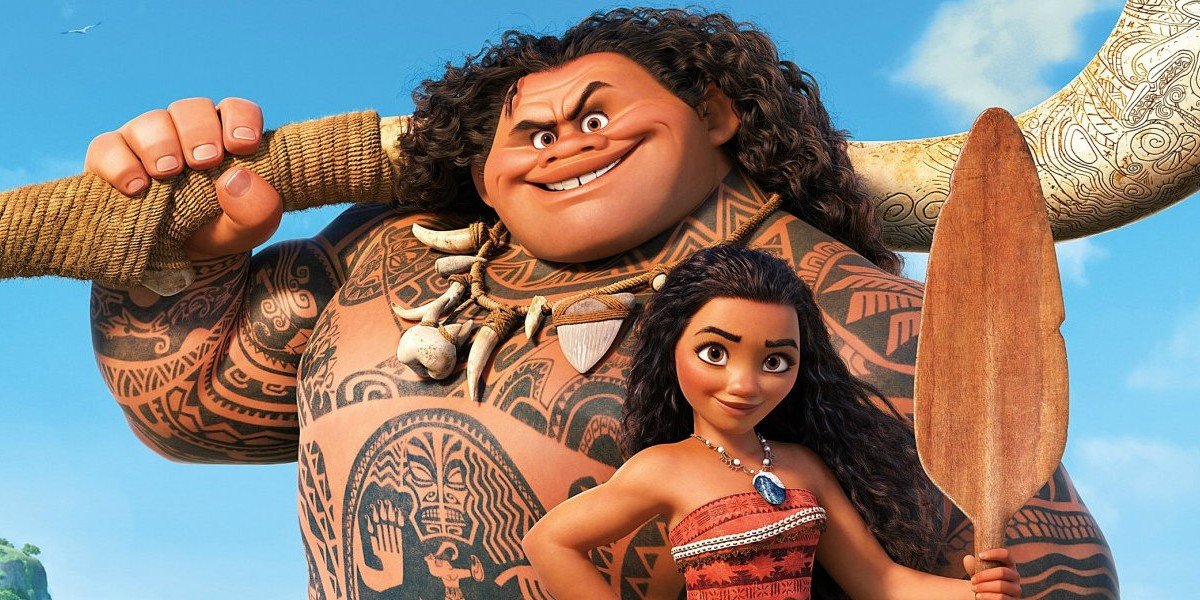
I see a lot of potential in teaching (co-learning) Moana as a text. There's so much to unpack about both racial and gender stereotypes, and I think this and similar films could really work to achieve the significant learning we learned about from Wesch. I, similarly, want to provide my students with the opportunity to take action and make a difference in the/their world (p. 186). By using media and popular culture references that are relevant to (and vetted by) them, I might see more engagement in class and therefore more productive thinking and learning (last year, I used a clip from Snow White, and my kids spent more time making fun of the quality of the film than they did looking for examples of gender stereotypes). Moana works well because it's accessible and avoids many of the more blatant and aggressive stereotypes we're used to seeing in older films.
Ideas for middle schoolers:
- How do we imagine a better world based on the stereotypes we observe?
- Dialogue journals (great questions in Christensen's text and the Princess Conventions chart)
- Using evidence to support a thesis and then taking action to create change ("I want to develop their critical consciousness, but I also hope to move them to action" (p. 183))
- Use the song Wing$ by Macklemore to think about the influence of Nike (and other brands) over our lives and the damage it can cause to them (as a contrast to examining gender/racial stereotypes)


Comentarios
Publicar un comentario